Dear Readers,
I am here to speak against the motion that states, "The Internet has a positive effect on teenagers."
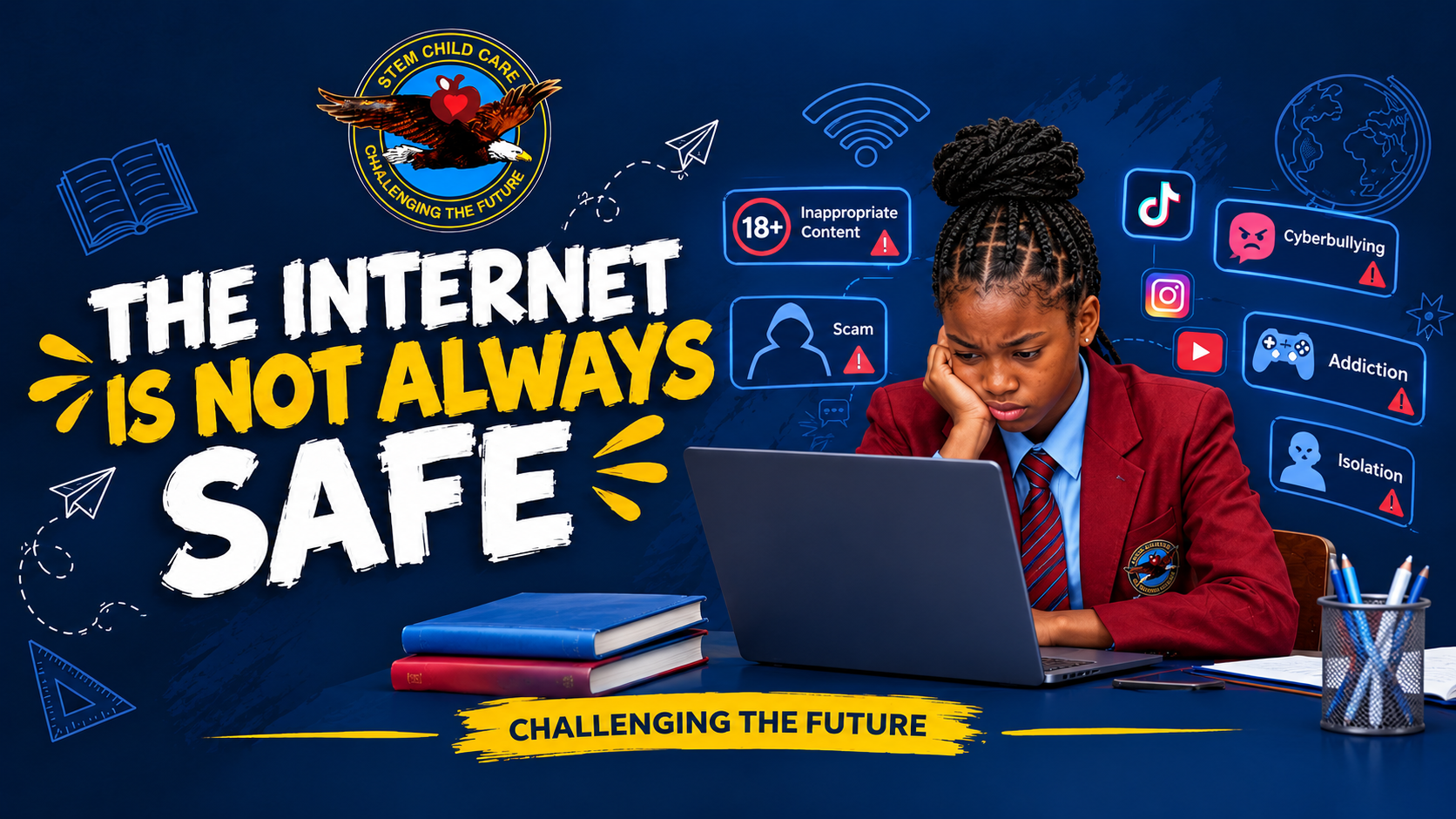
The internet is often praised as a tool for learning, communication, and entertainment. However, when used excessively and without proper guidance, its negative impact can outweigh its benefits. Today, I will share how the internet can harm teenagers through exposure to inappropriate content, addiction and isolation, health risks, and vulnerability to online scams.
Exposure to Inappropriate Content
One major disadvantage of the internet is that teenagers can easily be exposed to inappropriate content. The internet contains materials that may not be suitable for young people, such as violent videos, harmful images, bad language, and misleading information.
Sometimes, teenagers may come across this content accidentally while browsing social media or watching videos. Continuous exposure to such content can influence the way teenagers think, speak, and behave. It may also make harmful or inappropriate behaviour seem normal. Therefore, teenagers need proper guidance when using the internet.
Internet Addiction and Social Isolation
Another negative effect of the internet is addiction. Teenagers can spend many hours playing online games, watching videos, chatting, or scrolling through social media. When internet use becomes excessive, it can take time away from important activities such as studying, praying, sleeping, and spending time with family.
Excessive internet use can also lead to social isolation. A teenager may communicate with many people online but spend less time having real-life conversations with family and friends. This can weaken relationships and make the person feel lonely. Therefore, teenagers should learn to balance online activities with real-life social activities.
Health and Mental Well-being
Too much internet and screen use can affect both the mental and physical well-being of teenagers. Spending long hours looking at screens may cause tiredness, headaches, eye strain, and poor sleeping habits. Using phones or computers late at night can also make it harder for teenagers to get enough sleep.
The internet can also affect mental well-being. For example, constantly comparing oneself with people on social media may cause feelings of sadness, stress, or dissatisfaction. Cyberbullying and negative comments can also affect a teenager's confidence and emotional well-being. This is why teenagers should take regular breaks from screens and maintain healthy daily habits.
Online Scams and Other Dangers
Teenagers can also become victims of different online dangers. Some people create fake accounts or websites to deceive users and steal their money or personal information. For example, a teenager may receive a message promising free money, prizes, or gifts and be asked to provide personal information.
Teenagers may also face cyberbullying, fake identities, and online manipulation. Sharing too much personal information, such as passwords, home addresses, or private pictures, creates additional risks. Teenagers therefore need to be careful about who they communicate with and what information they share with strangers online.
How Can We Protect Teenagers?
While these risks are real, they are not unmanageable. To protect teenagers from these online harms, two important solutions must be put in place.
One important solution is to create awareness about the dangers of the internet. Parents, teachers, and schools should teach teenagers how to use the internet safely and responsibly. They should learn how to recognise scams, avoid suspicious links, protect their passwords, and report harmful behaviour.
Teenagers should also understand that not everything they see online is true. They should check information from reliable sources before believing or sharing it with others. Proper education can help teenagers make safer decisions when using the internet.
Parents and guardians can also help teenagers develop healthy internet habits by setting reasonable limits on screen time. A timetable can be created to balance internet use with schoolwork, sleep, exercise, hobbies, family time, and other responsibilities.
Parents can also monitor internet use appropriately and discuss online safety with their children. Monitoring should be combined with trust and communication so that teenagers understand why certain rules are important. Having a daily routine can prevent teenagers from spending too much time online.
Conclusion
In conclusion, the internet is a useful tool for education, communication, and entertainment, but excessive or unsafe use can negatively affect teenagers. It can expose them to inappropriate content, cause excessive internet use and isolation, create mental and physical health concerns, and make them vulnerable to online scams and other dangers.
However, these problems can be reduced through awareness, proper guidance, monitoring, and a balanced timetable. Therefore, teenagers should use the internet wisely, safely, and responsibly.
Let's not allow the internet to control teenagers. Teenagers should control how they use the internet. Technology should be a tool that helps us grow, not a problem that controls our lives.
Written by Haneefah Aliyu Mohammed (Year 10B)