There is an ongoing debate on who actually has the biggest impact on a child’s development: the parents who raise them or the teachers who educate them. Both sides have a massive influence, but they shape a child in completely different ways. While parents build the core foundation of a child’s personality, teachers prepare them to step out into the world.
Parents: A Child’s First Teachers
Parents get the first and most permanent shot at shaping a child. Long before a kid sets foot in a school, they absorb the world through their family. They pick up honesty, empathy, habits, and manners simply by watching how their parents behave at home.
A child’s confidence, mental health, and emotional security start with parental love, giving them the resilience to handle life’s pressures. Furthermore, financial habits and views on hard work are passed down. The way parents communicate, solve problems and treat other people can become a model that children follow as they grow.
Parents are also the first people to discover a child’s strengths and weaknesses. They notice their interests, talents and personalities from an early age. A supportive parent can encourage a child to believe in themselves, even when things become difficult. In many ways, the home is a child’s first classroom, and parents are their first teachers.
Teachers: Preparing Children for the Wider World
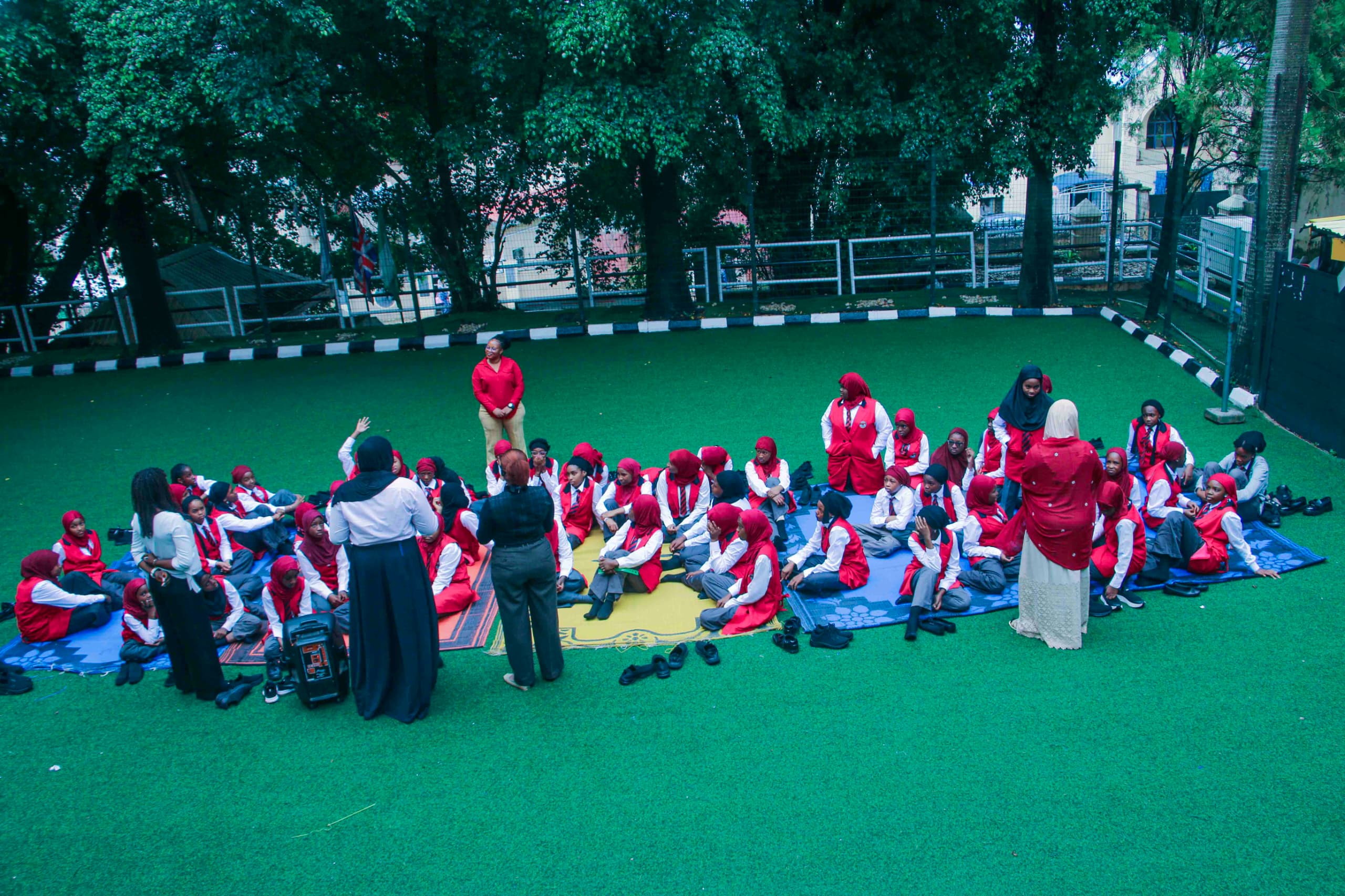
On the flip side, teachers have a unique power because kids spend so much time at school. The classroom acts as a mini recreated world where teachers teach kids how to work in teams, share and handle conflicts.
Teachers also introduce children to ideas, knowledge and experiences they may never encounter at home. They challenge students to ask questions, think critically and solve problems independently. Through education, teachers help children understand the wider world and prepare them for future responsibilities.
They are also trained to spot hidden talents or learning difficulties that parents might miss, helping students think critically and discover future career paths. A teacher may notice that a quiet student has a talent for writing, that another student has strong leadership skills, or that someone who struggles in one subject excels in another.
Beyond academics, teachers can become role models. Their patience, discipline, fairness and dedication can influence the way students behave and interact with others. Sometimes, a teacher’s words of encouragement can make a child believe in their ability when they have almost given up on themselves.
It Is Not a Competition
Ultimately, it is not a competition. Parents shape a child’s character, while teachers give them tools to use it. Parents lay the foundation, while teachers help build upon it. One provides the first lessons about life, while the other helps the child understand and navigate the wider world.
The best results happen when both sides work as a team. When parents and teachers communicate, support one another and put the child’s interests first, children are more likely to develop academically, socially and emotionally.
Conclusion: Children Need Both
A child does not need to choose between the influence of parents and teachers. They need both. Parents help shape who a child becomes, while teachers help prepare that child for who they can become.
By Fatima Adamu Lawan, Year 9A